Learn why wedding gown alterations Vancouver brides need go beyond quick fixes. Discover expert bridal fitting insights and book your consultation today.
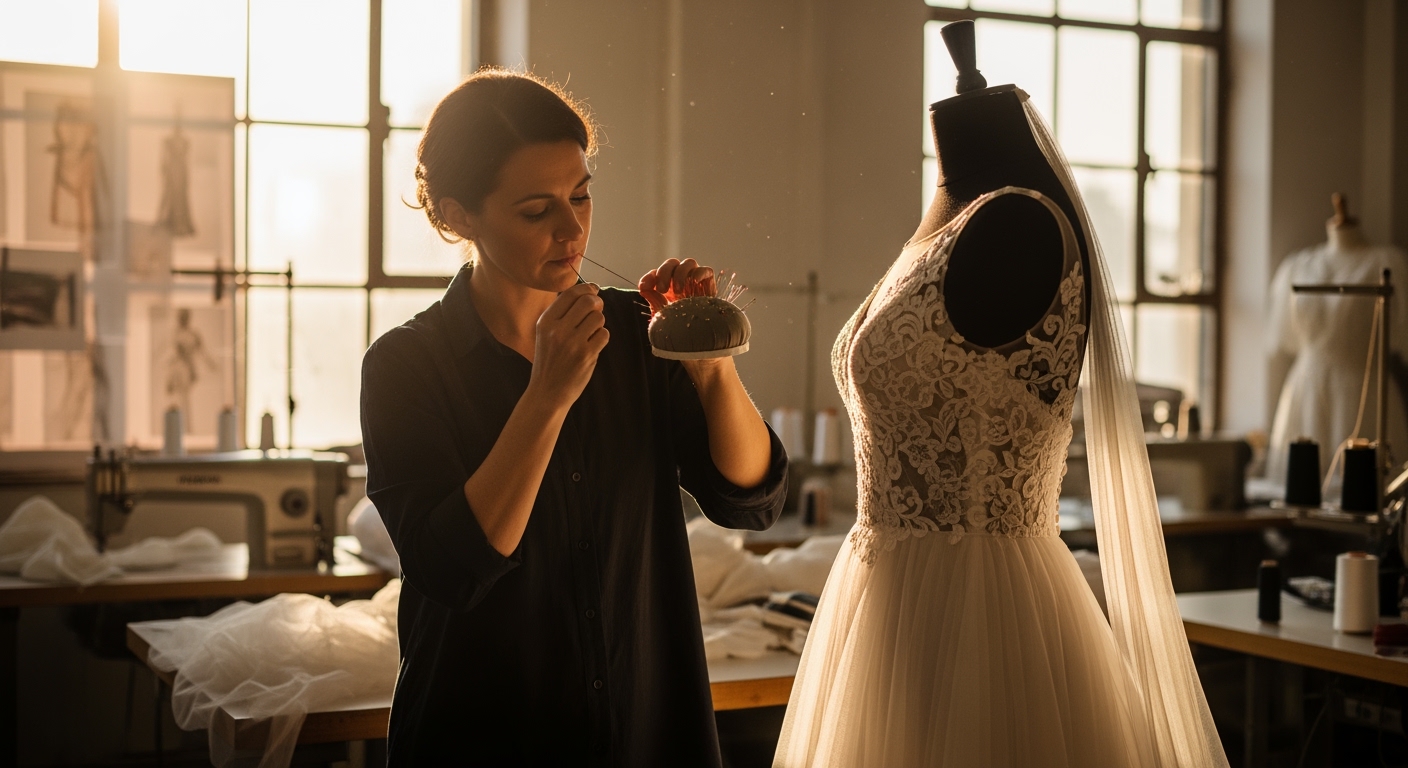
A lot of people walk into their first bridal fitting thinking the dress needs one or two small tweaks. Hem it. Take it in a little. Maybe add a bustle. Then the appointment starts, and suddenly it becomes obvious that a wedding gown is not like a work dress or a pair of trousers.
That is not bad news. It is actually reassuring.
A good bridal alteration process should make you feel like someone is paying attention to the whole dress, not just the obvious problem area. The fit through your waist affects the drape of the skirt. The weight of beading changes how the bodice sits. A hem that looks perfect on the hanger may pull crooked once you put on shoes and start walking.
If you are searching for wedding gown alterations Vancouver brides can trust, this is the part worth understanding. Quality bridal work is not a quick fix. It is careful, technical, and surprisingly strategic.
At Bloor Stitch, the process moves from consultation to final fitting in a way that feels calm on the surface, even though a lot is happening behind the scenes. That balance matters. You want efficiency, but you also want someone who knows when a dress needs to be opened up, rebalanced, hand-finished, or left alone.
I think this is where most misconceptions start. People assume bridal tailoring is just standard tailoring with more delicate fabric. That is part of it, but not the whole story.
A wedding gown usually has more structure than it first appears to have. Beneath the visible fabric, there may be boning, cups, lining, crinoline, horsehair braid, support tapes, or multiple skirt layers that all behave differently. When one part changes, the rest of the dress responds.
That means even a simple request, like “make the bodice fit better,” can involve several decisions.
Should the side seams be adjusted or the back seam?
Will changing the bodice throw off the lace placement?
If the skirt is heavy, does the waist need more support?
If the client wants a cleaner neckline, will the straps still sit properly?
This is why an experienced bridal tailor Vancouver clients return to tends to look at the gown as a system, not a single alteration.
There is also the emotional side. A wedding gown is often the most photographed outfit a person will ever wear. It needs to look right standing still, walking, sitting, hugging, dancing, and turning under different lighting. That is a lot to ask from one garment.
From the outside, the process can look simple. You try on the dress, get pinned, come back, and it fits. In reality, that clean result comes from a sequence of very deliberate steps.
A proper bridal consultation is not just about taking measurements. It is about understanding how you want the dress to feel and function on the wedding day.
That usually means discussing:
your wedding date and timeline
your shoes or planned heel height
shapewear or undergarments
whether you want to sit, dance, or move freely in a fitted silhouette
any custom requests, like sleeve adjustments, neckline changes, or added support
whether the dress needs a bustle for the reception
This first conversation matters more than people think. A gown can fit beautifully in a fitting room and still become annoying after three hours if the bust sits too low, the straps slip, or the train is awkward to manage.
At Bloor Stitch, as with any serious bridal specialist, the consultation is where the plan begins. If you are comparing options for bridal dress alterations in Greater Vancouver, this is one of the best signs to look for. The appointment should feel specific, not rushed, and focused on your actual day, not just the dress on a hanger.
This is the stage most people remember because it feels visual. You put on the gown, step onto the platform, and the tailor begins pinning.
But pinning is not random. It is a test.
The tailor is checking how the gown hangs on your body, where tension forms, whether the bustline stays level, how the seams behave, and whether the hem falls evenly once your shoes are on. With a layered skirt, they may need to assess the outer fabric, lining, and tulle separately.
This is also when small issues show up. Maybe the zipper ripples. Maybe one hip pulls slightly more than the other. Maybe the lace appliqués hide the ideal seam line. None of that means the dress is wrong. It just means the dress needs skilled hands.
What I like about a careful fitting is that it slows the panic down. A gown can look a little chaotic when pinned. That is normal. Pins are placeholders, not the finished result.
This part is easy to underestimate because most clients never see it.
Once the fit is mapped out, the gown may need to be partially taken apart. Seams are opened. Layers are separated. Embellishments may be removed and later reapplied. Structured areas are reshaped from the inside.
This is where experience shows up in a very practical way.
Anyone can say a dress will be taken in. The harder question is how that is done without flattening the shape, distorting the pattern, or making the dress look altered. On a well-executed gown, you should not be able to tell where the original construction ends and the tailoring begins.
That takes patience. It also takes judgment. Some gowns should be altered at the side seams. Some are better adjusted through the back. Some need support added so the fit lasts all day. Some need the hem corrected in multiple layers so the outer skirt floats naturally instead of bunching.
Bridal alterations look magical when they are done well because the visible result is so quiet.
A final fitting should feel like a check, not a rescue mission.
You put the gown back on. The tailor confirms the bodice sits correctly, the skirt falls where it should, and the train or bustle works. You move around. Sit. Turn. Walk. If something tiny needs refining, that is the moment for it.
This appointment is also practical. You may learn how to handle the bustle, how to step comfortably in the dress, or what to watch for when getting dressed on the wedding day.
That kind of preparation sounds small, but it is useful. The wedding day is busy. Fewer clothing surprises means less stress.
People often talk about wedding dresses as if all white fabrics behave the same way. They really do not.
Lace, tulle, and beading each create their own set of problems, and they often appear together in the same gown.
Lace is tricky because the seam is only part of the story. The pattern matters just as much.
If a lace bodice is taken in carelessly, motifs can end up misaligned, chopped off, or unevenly spaced. The eye catches that right away, even if the average person cannot explain why the dress looks “off.”
In better bridal work, lace appliqués are often lifted, the structure beneath is altered, and then the lace is placed back so the pattern still looks intentional. That is a slower approach, but it is usually the right one.
Tulle has a reputation for being airy and forgiving. I have never thought that was quite fair. Tulle is delicate, yes, but it can also be fussy.
A layered tulle skirt may include different lengths, varying fullness, and an outer layer that needs to float cleanly over everything underneath. Hemming it is not always straightforward. If one layer is off, the whole silhouette can feel unbalanced.
Tulle also reveals poor handling. A rushed hem can look choppy. Uneven tension can make the skirt twist. What should feel soft can start looking stiff.
Beading changes the dress before you even touch the seams. It adds weight, affects drape, and can block access to the area that needs altering.
If a beaded bodice needs to come in, the tailor may have to remove beads by hand, alter the seam, then reapply embellishment so the finish still looks seamless. That is detailed work. There is no shortcut that looks good.
This is one reason bridal tailoring costs more than basic alterations. You are not only paying for sewing. You are paying for restraint, precision, and a lot of invisible labor.
Fast service makes people suspicious. Honestly, sometimes it should. If someone promises major gown changes overnight, I would ask a few hard questions.
But a 4 to 7 day turnaround is different. That can be a very healthy sign if it comes from experience, scheduling discipline, and focused bridal expertise.
Here is the difference. Rushed work feels reactive. Efficient work feels prepared.
A specialist who handles bridal garments regularly already knows the likely pressure points. They understand construction, fabric behavior, and fitting sequence. They are not experimenting on your dress. They are following a practiced process.
That allows them to work quickly without cutting corners.
A strong turnaround also usually means the studio is organized. Appointments are planned. Fittings are structured. The workload is realistic. Materials, tools, and finishing methods are already built into the workflow.
Of course, not every gown fits the same timeline. A dress with heavy customization, major resizing, or extensive embellishment repair may need more time. That is normal. Still, for many standard bridal adjustments, 4 to 7 days is not a red flag. It can be evidence that the tailor knows exactly what they are doing.
If you are weighing options for wedding gown alterations Vancouver studios offer, I would pay attention to how turnaround is explained. “Fast” by itself means very little. Fast with a clear process, bridal specialization, and careful fittings is something else.
You do not need to know couture construction to spot quality. A few signs tell you a lot.
First, the consultation should feel thoughtful. Someone should ask about your shoes, your timeline, your comfort, and how the gown needs to function on the day itself.
Second, the recommendations should make sense. A good tailor explains what can be changed, what should not be touched, and where expectations need to be realistic.
Third, the dress should be handled with confidence. Delicate fabric does not need fear. It needs skill.
And finally, the process should leave room for precision. Bridal work is detailed by nature. If the whole experience feels hurried, vague, or overly casual, trust that feeling.
I think many people know when something feels off. They just talk themselves out of it because they are stressed, busy, or trying to save time. Wedding planning does that. Still, your dress is one area where care really pays off.
The best bridal alterations do not make you feel squeezed into the dress. They make the dress feel like it finally belongs to you.
That can mean a bodice that stays put without constant adjusting. A hem that lets you move normally. Sleeves that do not pinch. A bustle that actually makes sense once the ceremony is over. Sometimes the difference is dramatic. Sometimes it is subtle. Either way, you feel it.
And that feeling matters.
A wedding day already comes with enough noise. The gown should not be one more thing asking for attention every ten minutes.
If you are starting your search for a bridal tailor Vancouver couples recommend, or if you are narrowing down options for wedding gown alterations Vancouver appointments, a free consultation is a calm first step. You get a clearer sense of what your dress actually needs, what the timeline looks like, and whether the process feels right for you.
Most standard alterations are completed within 3–5 business days. Complex or high-volume requests may take a bit longer.
Most alterations are completed within 4-7 days, depending on garment complexity and your specific needs.
We specialize in bridal gowns, formalwear, men’s suits, and also offer everyday clothing alterations and repairs.
Yes, we do our best to accommodate urgent requests. Please contact us directly to discuss your timeline.
Bring the garment you need altered, along with undergarments and shoes you plan to wear with it for the perfect fit.
Yes, we offer a complimentary consultation to discuss your needs and provide an estimate.
Absolutely! Our experience includes tailoring costumes for award-winning films and unique events.
Pricing varies by garment and complexity. We provide transparent quotes after assessing your needs at the consultation.
We prioritize health and safety with enhanced cleaning protocols and by limiting the number of clients per day.
Experience expert tailoring with a complimentary consultation for all new clients. Enjoy the confidence of a flawless fit for your bridal gown, suit, or special occasion wear, delivered in just 4-7 days. Let us bring your dream look to life with personalized service and unmatched craftsmanship.