Discover why expert clothing alterations Vancouver clients trust are worth every penny for better fit, comfort, and style. Learn more today.
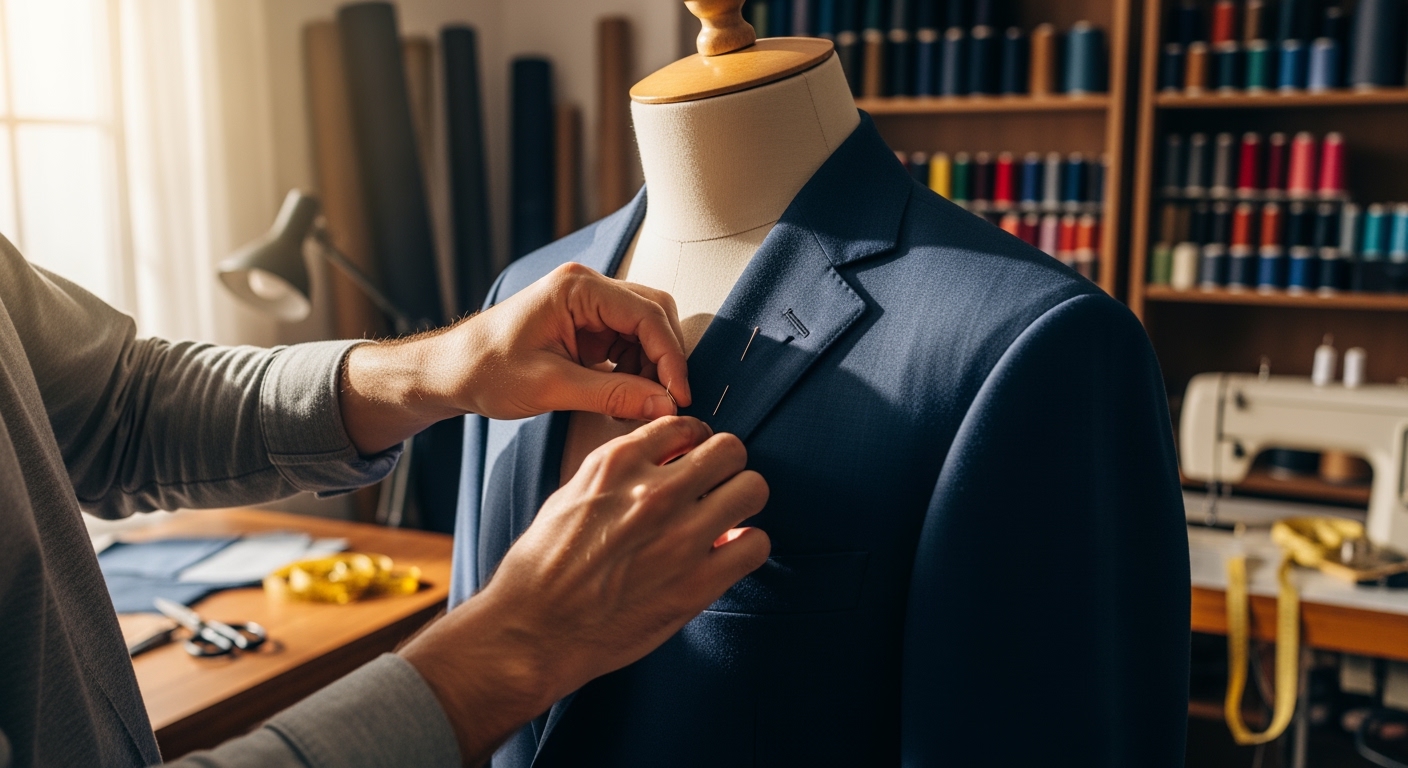
There is a big difference between clothing that technically fits and clothing that feels right the second you put it on.
Most people know this instinctively. You zip the dress, button the jacket, look in the mirror, and something is off. Maybe the waist sits too low. Maybe the shoulder line pulls. Maybe the pants break in a strange way over your shoes. The garment is wearable, sure, but it is not doing you any favors.
That is where expert alterations matter.
In a city like Vancouver, where people dress for everything from weddings and galas to office meetings and rainy commutes, tailoring is often treated like an extra. A nice add-on. A luxury if you have the budget. I think that undersells it. Good alterations are often the thing that makes a good garment worth keeping, and a special garment worth remembering.
At first glance, alterations can seem simple. Shorten a hem. Take in a waist. Replace a zipper. Done.
But clothing is built in layers. Fabric has grain. Seams create shape. Interfacing adds structure. Linings need to hang cleanly. Beading, lace, pleats, vents, shoulder pads, boning, horsehair braid, and delicate closures all change what is possible and what should never be touched casually.
A basic alteration usually focuses on one visible adjustment. Expert craftsmanship looks at how the whole garment moves together.
Take a suit jacket. A quick fix might shorten the sleeves. An expert will notice whether the sleeve pitch matches the wearer’s posture, whether the cuff width still looks balanced after shortening, and whether the shoulder line is carrying too much tension. Those details matter more than people expect. When they are wrong, the jacket looks slightly borrowed, even if you cannot explain why.
The same goes for formal dresses. Hemming chiffon is not the same as hemming denim. Taking in a beaded bodice is not the same as taking in a cotton sundress. On paper, both jobs sound similar. In real life, one mistake can distort the drape, break the pattern, or weaken the structure of the garment.
That is why expert alterations cost more than the fastest or cheapest option. You are not paying for someone to run fabric through a machine. You are paying for judgment. What should be changed. What should be left alone. Where the body needs ease. Where the line needs clean tension. And how to make the finished piece look as if it came that way.
When people hear “tailoring,” they often think of wedding gowns and suits. That is part of the story, but not all of it. In practice, alteration shops see a wide range of clothing.
This is one of the most common categories, especially for weddings, job interviews, and formal events. Off-the-rack suiting rarely fits perfectly in more than one area at a time. If the shoulders fit, the waist may be too loose. If the waist fits, the sleeve length may be wrong. Trousers almost always need hemming.
A well-altered suit looks sharper without looking stiff. That balance is harder than it sounds.
Day dresses, cocktail dresses, bridesmaid dresses, and evening gowns are frequent candidates for tailoring. Common adjustments include hemming, strap shortening, reshaping the bodice, adjusting the bust, and refining the waist or hips.
With dresses, proportion matters as much as fit. A hemline that hits the wrong spot on the leg can flatten the whole look. Move it an inch or two, and suddenly the dress works.
This is the category where experience matters most. Wedding dresses and formal garments are often made with delicate fabrics, internal structure, and complicated design details. Many also carry emotional pressure. You are not just trying to make a dress fit. You are trying to make it feel like your dress.
That is a very different kind of job.
Jeans, trousers, skirts, blouses, coats, and workwear make up a large share of real-world alterations. Sometimes it is about extending the life of a favorite piece. Sometimes it is about making a sale purchase actually wearable. Sometimes it is just practical. A pair of well-made pants that needs a hem is still a better buy than a brand new pair that fits badly in three places.
This is one reason people who start by altering special-occasion clothing often end up bringing in their everyday wardrobe too. Once you know what a proper fit feels like, it is hard to go back.
This is the part where a lot of people hesitate. They see the price of alterations and wonder if they should just replace the item instead.
Sometimes that is the right call. If a garment is poorly made, badly worn out, or wildly off-size, alterations may not be worth it. But most of the time, the math is more favorable than people think.
Here is the simple version:
Replacing a garment usually costs more than the original price tag suggests.
Alterations improve the piece you already know you like.
A better fit means you are more likely to wear the item often.
Imagine a mid-range suit that costs several hundred dollars. If the jacket and trousers are close but not quite right, expert alterations may cost a fraction of replacement. The result is a suit that looks custom on your body. Buying another suit off the rack does not solve the fit problem. It just resets it.
The same logic applies to dresses. If you buy a formal dress for a wedding, gala, or milestone event, the alteration cost can feel annoying at first. I get it. After the purchase, few people are eager to spend more. But if the dress twists, gapes, drags, or bunches, the original spend is already compromised. Alterations protect that investment.
For everyday clothing, the numbers can be even clearer. Hemming trousers, adjusting a waistband, repairing a seam, or replacing a zipper often costs less than finding a comparable new item, especially if the original piece is well made. And if it is a garment you already reach for constantly, keeping it in rotation has real value.
There is also the less visible cost of shopping again. Time, returns, frustration, and settling for “close enough” add up. Plenty of closets are filled with almost-right clothes that never became favorites. Tailoring can change that.
People talk about “the perfect fit” as if it were one universal standard. It is not.
A perfect fit depends on body shape, posture, movement, the garment’s purpose, and personal preference. Someone who wants a sharp, close fit for a formal event will need different adjustments than someone who wants comfort and ease for daily workwear.
That said, expert fit usually shares a few qualities.
It looks balanced. The garment hangs cleanly without pulling or collapsing.
It moves with the body. You can sit, walk, lift your arms, and breathe without fighting the fabric.
It respects proportions. Hems, sleeves, waist placement, and shaping all work with your frame instead of against it.
It feels like you. This part gets dismissed too often. Some people like structure. Some want softness. Some want room through the hips, some through the shoulders, some through the midsection. A skilled tailor listens to that.
For a fuller bust, fit often starts at the chest and shoulders, not just the waist. If those areas are ignored, the garment can pull across the front while hanging loose everywhere else.
For broader shoulders, the issue is often balance. A jacket or dress may fit the torso but look strained up top. Correcting sleeve placement or upper-body ease can change the whole line.
For curvier hips, skirts and dresses may need shaping that preserves movement. Too tight, and the garment rides up. Too loose, and it loses form.
For petite frames, proportion is usually the hidden problem. The waist sits too low, pockets land awkwardly, or the hem cuts the leg in the wrong place. It is not about being smaller. It is about resetting the scale of the garment.
For taller bodies, enough length matters, but so does placement. A sleeve can be technically long enough and still look wrong if the elbow shaping sits too high.
Posture matters too. Many people stand with one shoulder lower, a slight forward lean, or a curve through the back. Off-the-rack clothing assumes symmetry. Human bodies are rarely that tidy.
That is why “perfect fit” is not code for “tight.” In fact, overly tight tailoring is one of the quickest ways to make expensive clothing look uncomfortable. Good fit gives shape without strain.
Bridalwear is its own world. So is formalwear.
The fabrics are more delicate. The structure is more complex. The emotional stakes are much higher. And the margin for error is tiny.
Wedding gowns may include corsetry, cups, layers of lining, lace appliqué, hand beading, tulle, silk, and hems that need to work with a specific shoe height. Formal dresses often involve slits, trains, drape, and fine finishes that show every uneven adjustment. Men’s formalwear can be just as demanding, especially when the goal is crisp lines without stiffness.
This is why experience counts for more than speed alone.
If you are looking into bridal, formal, and everyday wear alterations, it helps to notice how a tailor approaches the process. Appointment-based fittings are usually a good sign, especially for special-occasion clothing. They allow time to pin accurately, talk through movement and comfort, and catch issues that would be missed in a rushed drop-off.
A good formal fitting is part technical and part interpretive. The tailor needs to understand the garment, the body, and the event.
People sometimes roll their eyes at “years of experience.” Fair enough. Time alone does not guarantee talent.
But in alterations, long experience usually means exposure to hundreds of garment problems that are not obvious until you see them on a body. Uneven hems caused by posture. A sleeve that twists because the armhole angle is off. Lace that needs to be removed and reapplied invisibly. A bodice that fits standing still but fails the second the wearer sits.
That kind of knowledge is hard to fake.
In Greater Vancouver, BloorStitch’s 28 years of experience sets a high bar because that span of work suggests more than longevity. It suggests repetition, problem-solving, and a trained eye built over time. For clients, especially brides, grooms, and anyone wearing formal clothing for a once-in-a-lifetime event, that matters. You want someone who has seen the hard cases before.
There is another reason experience helps. It often leads to honesty.
An experienced tailor is more likely to tell you when an alteration will work, when it will not, and when the cost is not justified. That kind of candor protects your money and your expectations. In my view, it is one of the clearest signs you are dealing with a professional rather than someone chasing quick jobs.
If you are on the fence, ask yourself a few plain questions.
Do you like the garment overall?
Is the fabric or construction good enough to deserve the work?
Are the issues mainly about fit, rather than irreversible design flaws?
Will you wear it often or for an important occasion?
If the answers are mostly yes, alterations are probably worth considering.
If you are preparing for a wedding or formal event, they are often more than worth considering. They are part of the plan. Waiting too long is where people get into trouble. Good tailoring needs time for fittings, adjustments, and sometimes a second pass after the first set of changes settles into place.
People often describe alterations as a finishing touch. I think that gets it backward.
For many garments, fit is the thing that decides whether the piece works at all. Expert alterations can rescue a great purchase, refine a meaningful outfit, and extend the life of clothing you already own. They can also spare you the cycle of buying replacements that never fit any better.
In Vancouver, where wardrobes often need to stretch across professional life, social events, and major milestones, that value is easy to underestimate until you experience it yourself.
Once you wear something that truly fits, the argument gets much simpler. You stand differently. You stop adjusting straps, tugging hems, or second-guessing how you look in photos. The clothing becomes quieter. That is the whole point.
And yes, that kind of work costs money. It should. Done well, it is skilled labor with a trained eye behind it.
Sometimes the cheapest option is cheap for a reason. Sometimes “good enough” really is not. When the garment matters, when the fit affects your comfort, or when the event will live in pictures for years, expert alterations are usually worth every penny.
Most standard alterations are completed within 3–5 business days. Complex or high-volume requests may take a bit longer.
Most alterations are completed within 4-7 days, depending on garment complexity and your specific needs.
We specialize in bridal gowns, formalwear, men’s suits, and also offer everyday clothing alterations and repairs.
Yes, we do our best to accommodate urgent requests. Please contact us directly to discuss your timeline.
Bring the garment you need altered, along with undergarments and shoes you plan to wear with it for the perfect fit.
Yes, we offer a complimentary consultation to discuss your needs and provide an estimate.
Absolutely! Our experience includes tailoring costumes for award-winning films and unique events.
Pricing varies by garment and complexity. We provide transparent quotes after assessing your needs at the consultation.
We prioritize health and safety with enhanced cleaning protocols and by limiting the number of clients per day.
Experience expert tailoring with a complimentary consultation for all new clients. Enjoy the confidence of a flawless fit for your bridal gown, suit, or special occasion wear, delivered in just 4-7 days. Let us bring your dream look to life with personalized service and unmatched craftsmanship.